
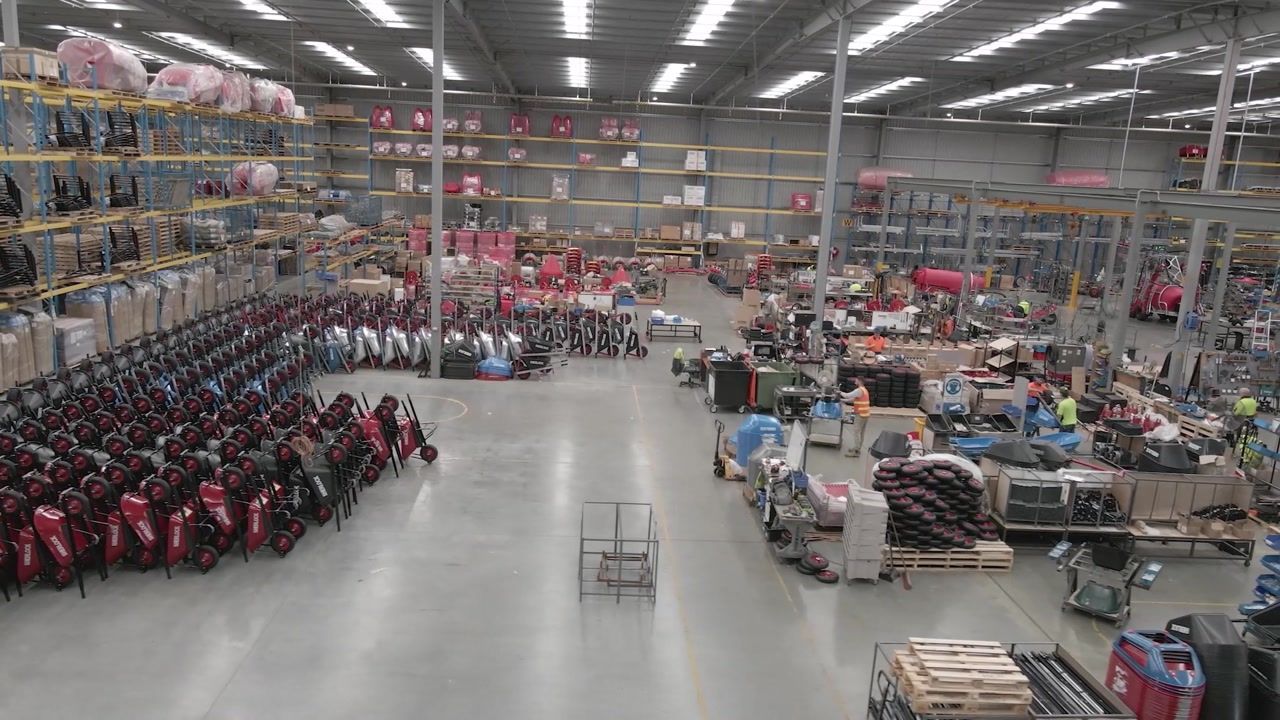

What's New in TBO4 WMS for Food and Beverage
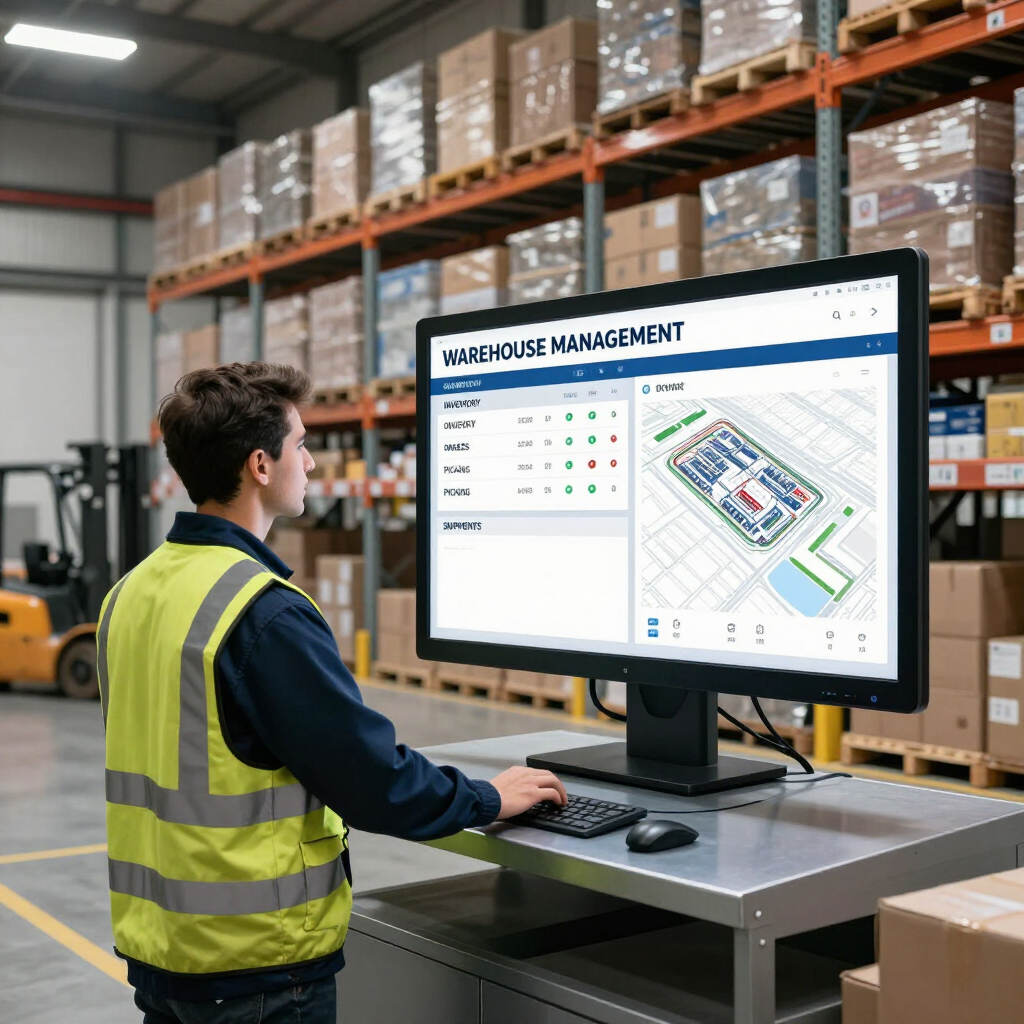
Looking for the best WMS software in Australia? See why TBO4 by The RIC Group, with integrated TMS, ERP integration and AI, is a top WMS provider.
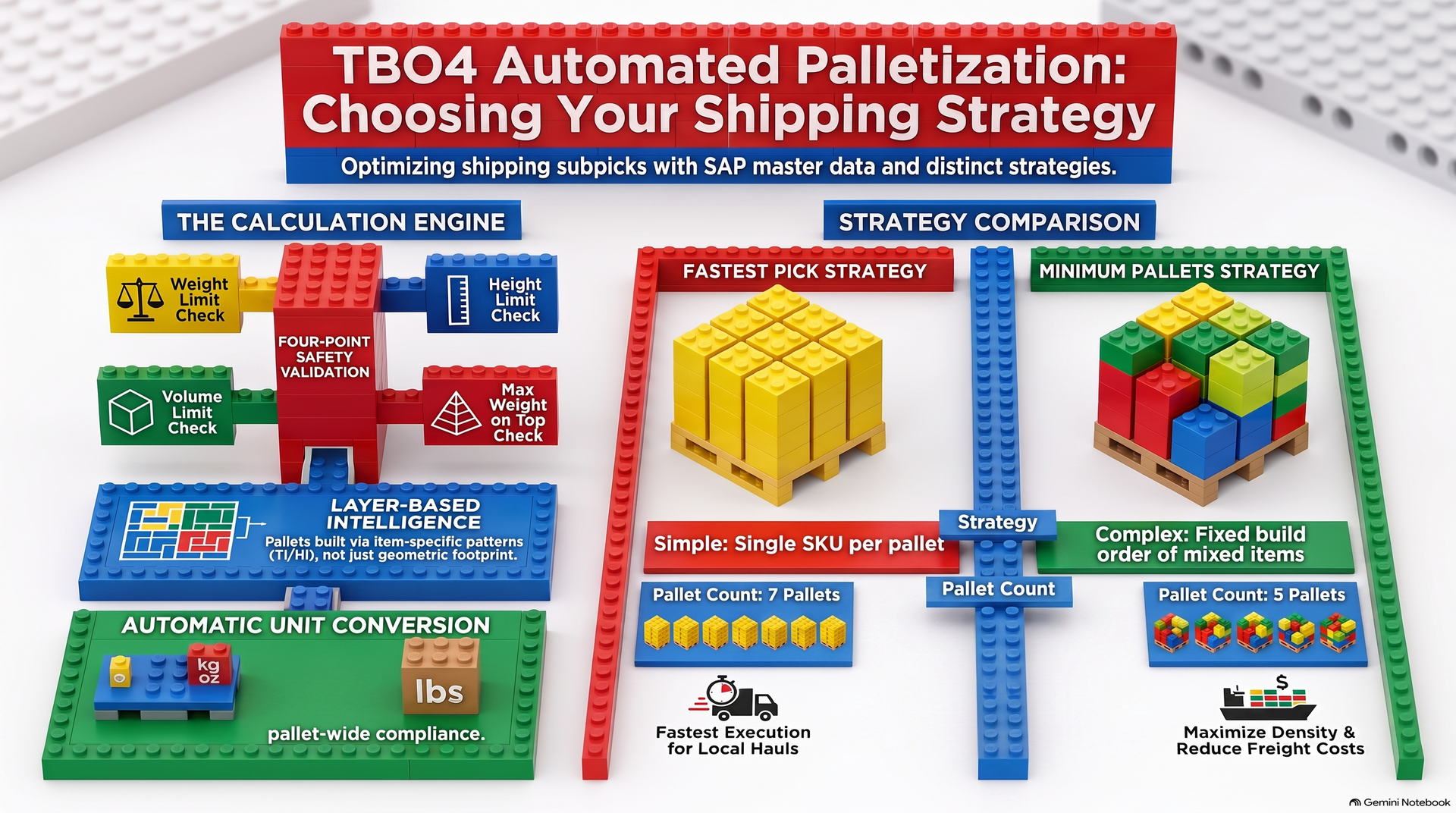
Optimize your warehouse operations with The RIC Group's solutions. Contact us for efficient supply chain management today!
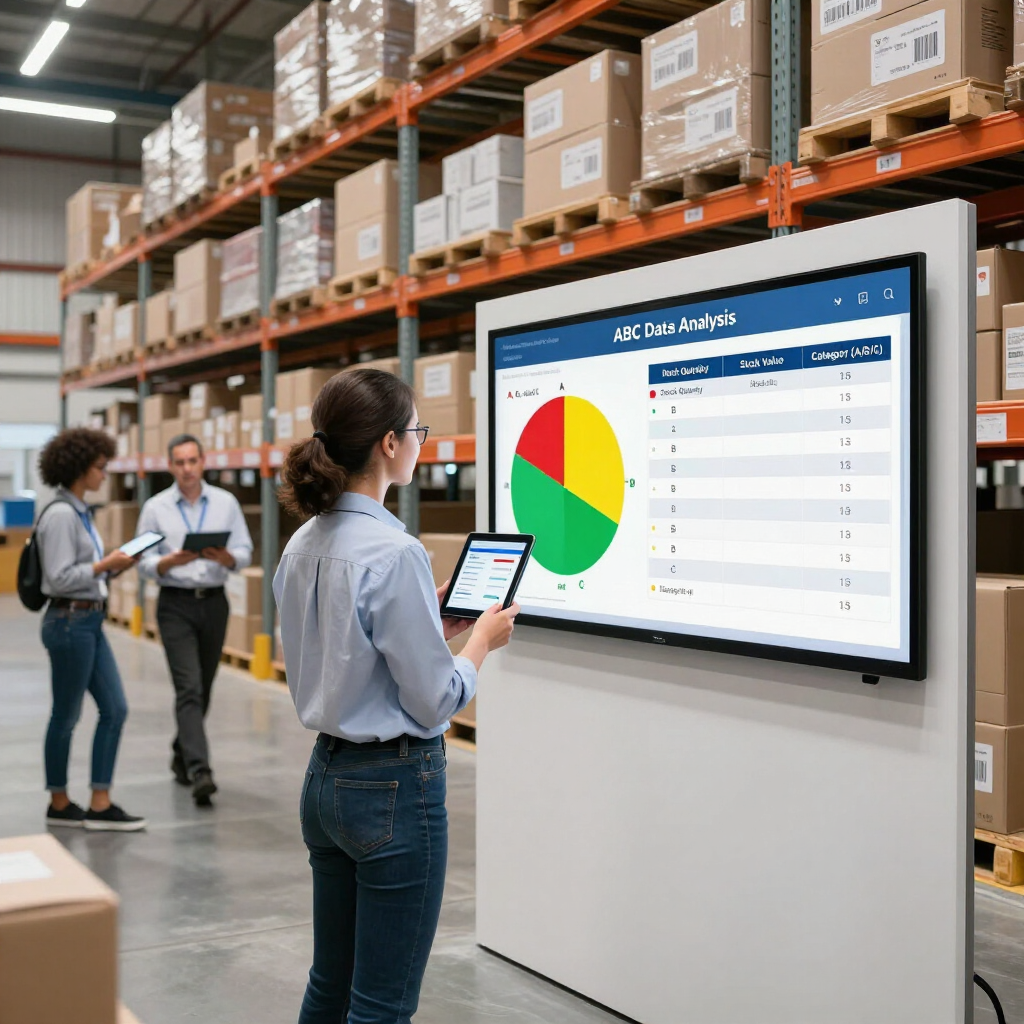
Optimize your warehouse with expert WMS solutions. Contact us to enhance efficiency and accuracy in your supply chain.
What's New in TBO4 WMS for Food and Beverage
Looking for the best WMS software in Australia? See why TBO4 by The RIC Group, with integrated TMS, ERP integration and AI, is a top WMS provider.
Optimize your warehouse operations with The RIC Group's solutions. Contact us for efficient supply chain management today!
Optimize your warehouse with expert WMS solutions. Contact us to enhance efficiency and accuracy in your supply chain.