
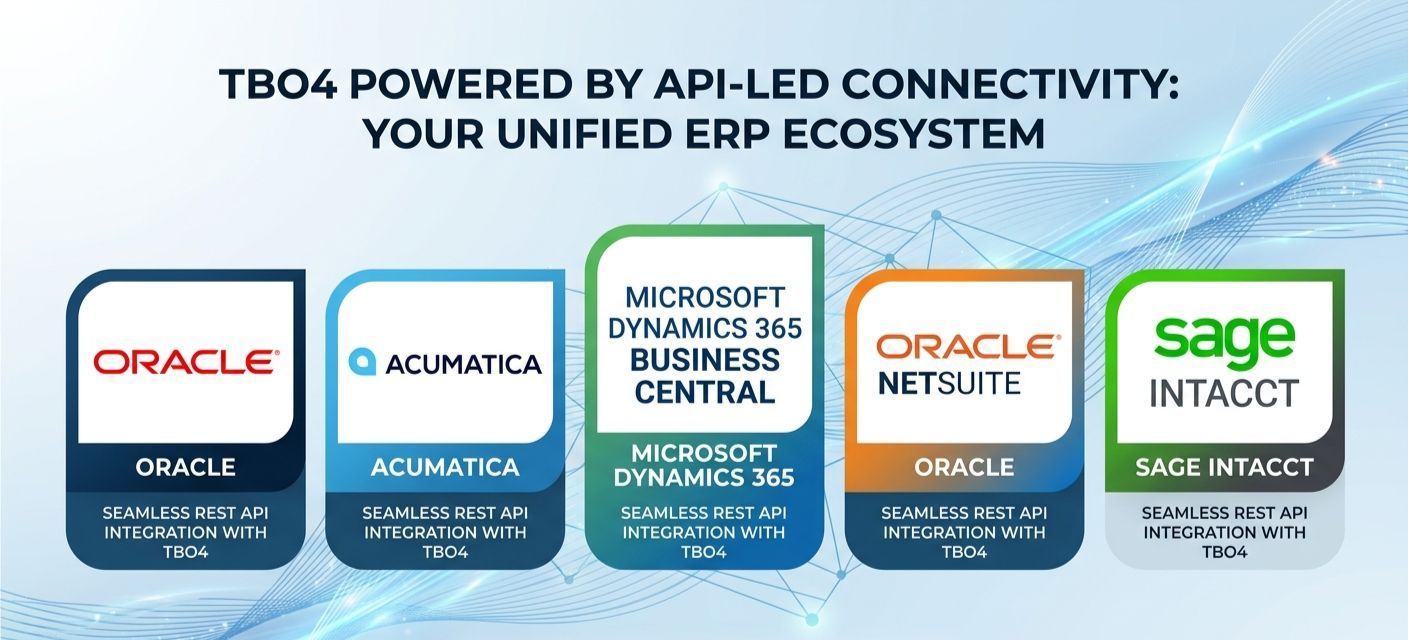
TBO4 by The RIC Group: One Source of Truth, Global Trust

We are incredibly proud to announce that The RIC Group has been named the Acumatica Asia ISV Partner of the Year !
Syncing the Yard and the Floor: The TBO4 Edge
For the last decade, the warehouse conversation has been dominated by one thing: Outbound speed.
The RIC Group will be exhibiting at Acumatica Summit 2026 in Seattle, USA, and shortly after at the Acumatica Asia Summit in Manila, Philippines

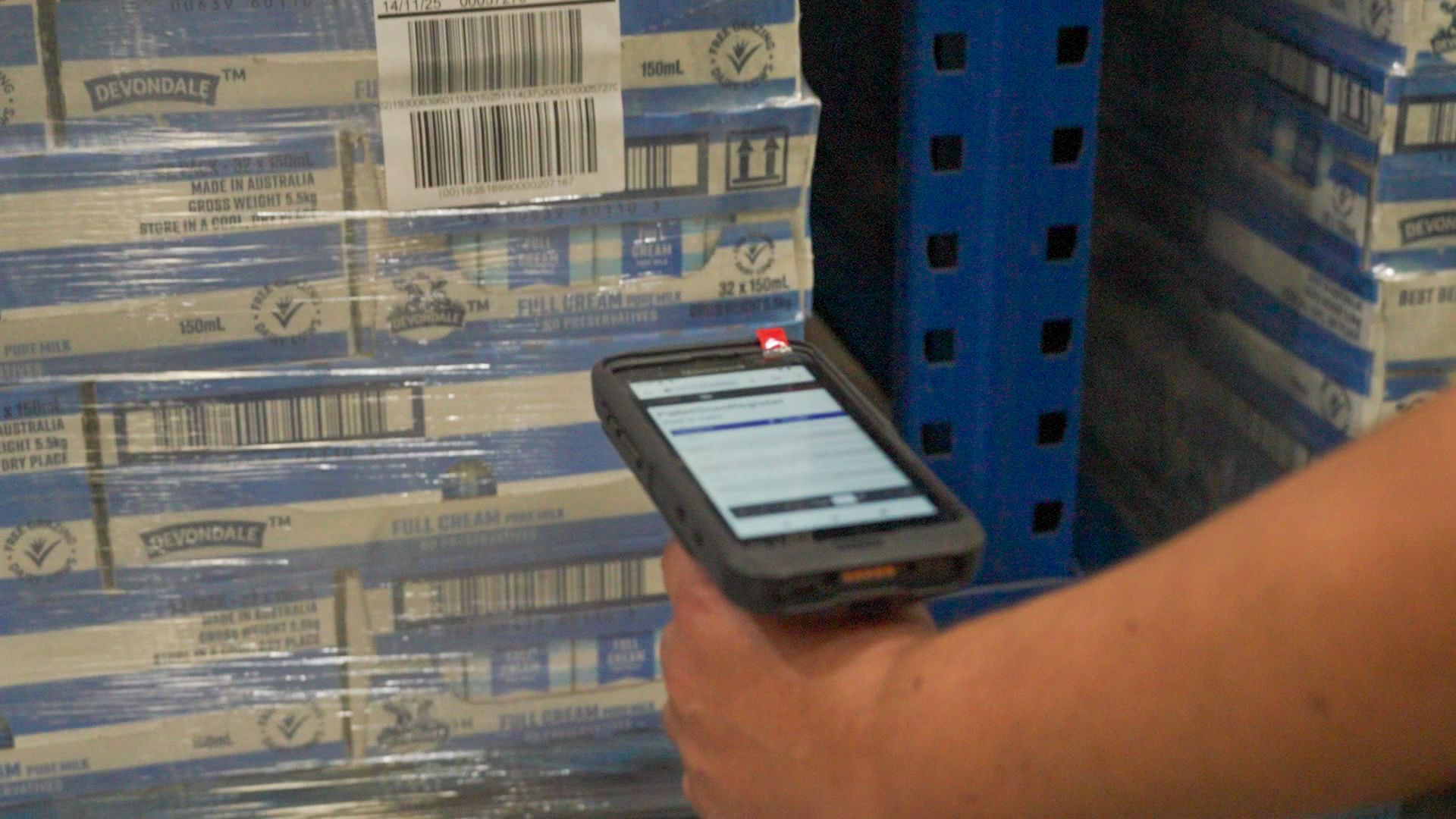
Why a Phased WMS Approach with TBO4 Delivers Faster ROI

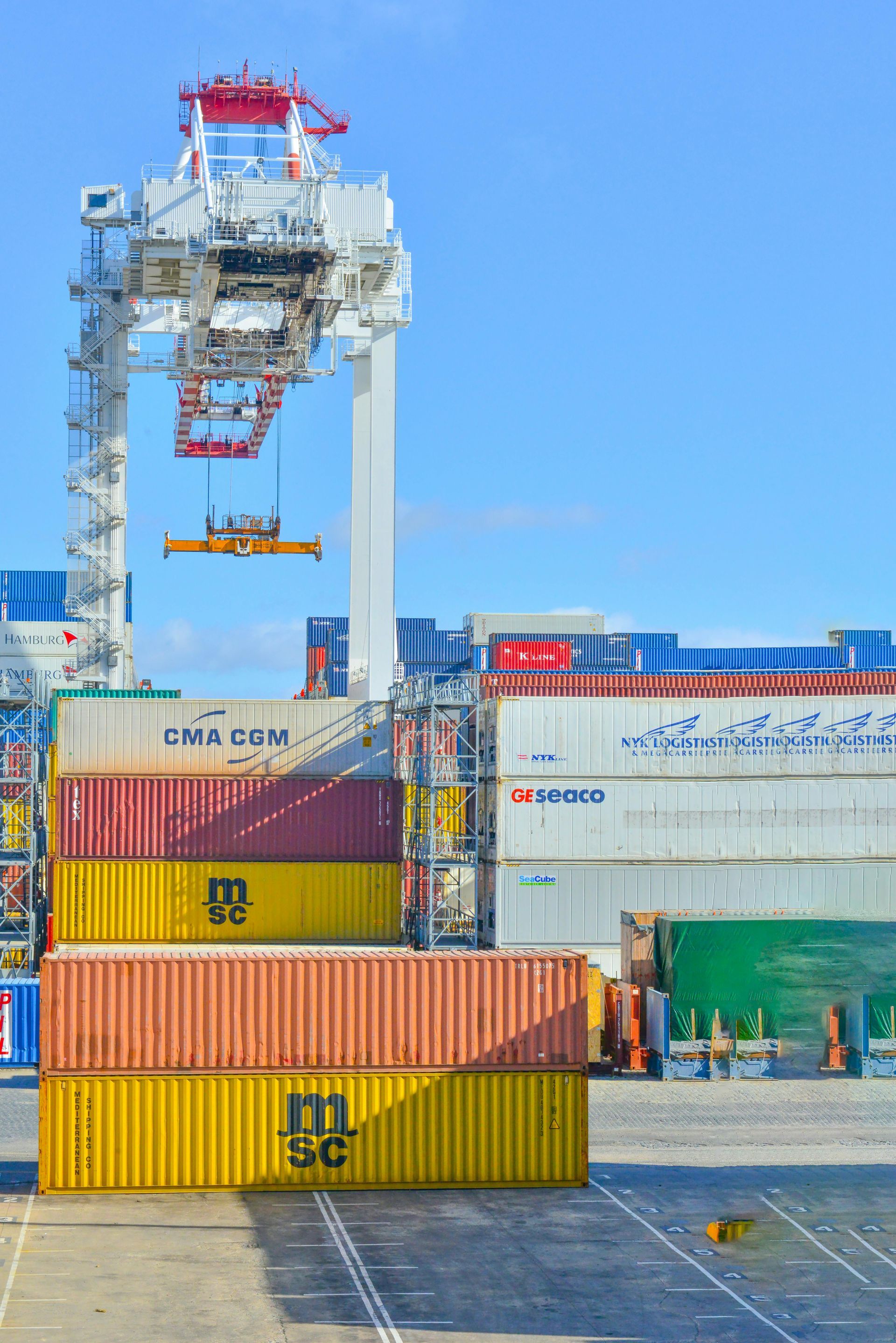
Container Tracking with TBO4
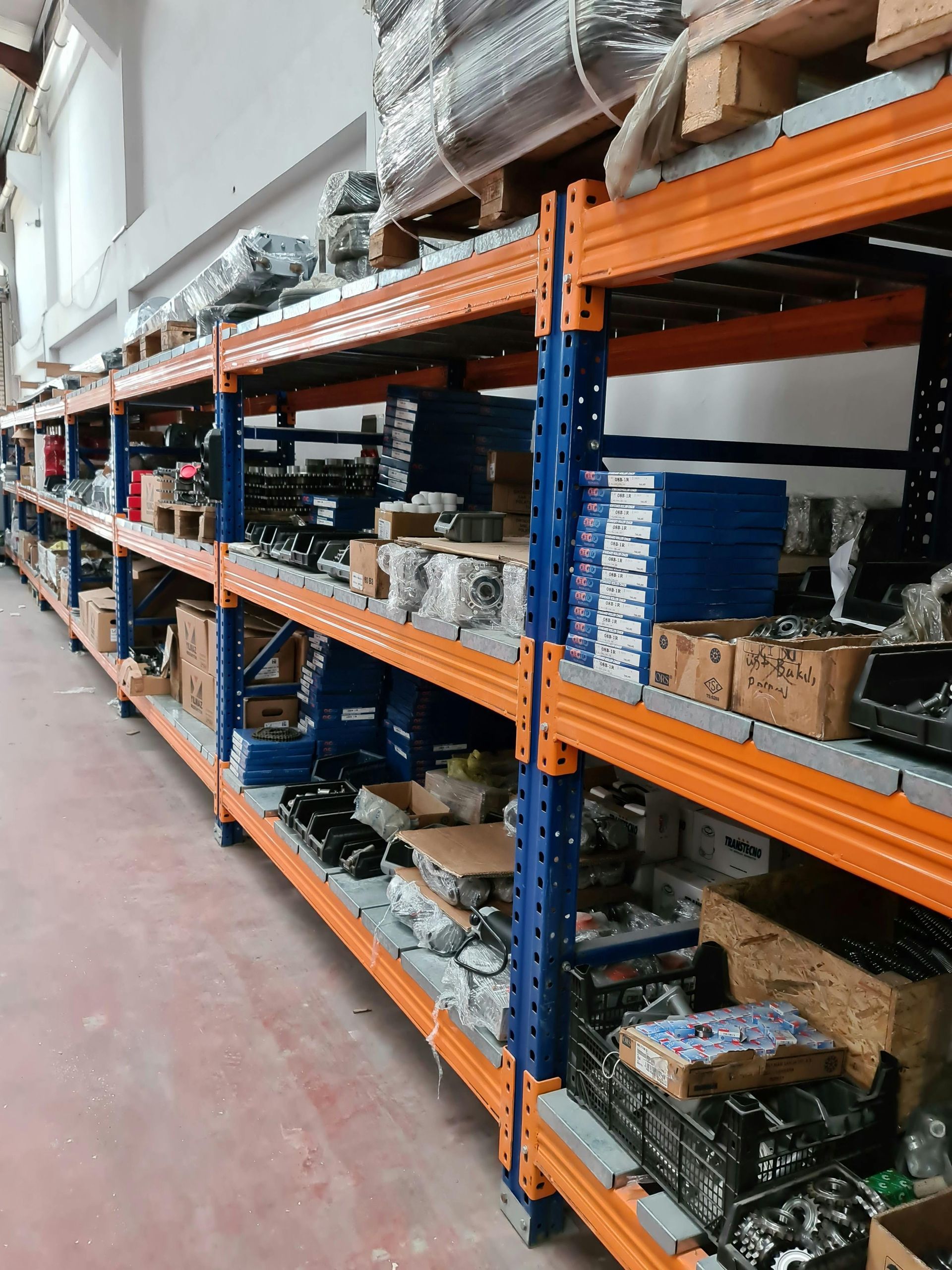
Understanding Time and Motion Testing
TBO4 by The RIC Group: One Source of Truth, Global Trust
We are incredibly proud to announce that The RIC Group has been named the Acumatica Asia ISV Partner of the Year !
Syncing the Yard and the Floor: The TBO4 Edge
For the last decade, the warehouse conversation has been dominated by one thing: Outbound speed.
The RIC Group will be exhibiting at Acumatica Summit 2026 in Seattle, USA, and shortly after at the Acumatica Asia Summit in Manila, Philippines
Why a Phased WMS Approach with TBO4 Delivers Faster ROI
Container Tracking with TBO4
Understanding Time and Motion Testing