Let's pull back the curtain on what the first step actually looks like when you start an implementation with The RIC Group. It's called a blueprinting session. It's designed to remove the guesswork before a single line of configuration is touched.
The blueprinting session is an onsite visit. We sit down with your team from warehouse operators to people who actually run the floor day-to-day and stakeholders. This isn't a sales presentation. You've already made the decision to explore TBO4.
This is us listening.
What we cover at The RIC Group
1. Your current process. We ask in detail
Before we talk about what TBO4 can do, we need to understand what you do. That means walking through every major warehouse workflow as it operates today:
- Receiving — How do purchase orders arrive? How do you check what came in against what was ordered? What happens when there's a discrepancy? How do you receive against local vs international suppliers?
- Picking — Are you working from paper pick slips? How do you handle exceptions? What's your relationship with freight? Is there packing involved?
- Transfers and replenishment — How does stock move around the warehouse, between bins, between locations?
- Manufacturing and finished goods — If you're a manufacturer, how does finished stock enter your system?
- Stocktaking — How do you currently do a count, and how disruptive is it?
We're not judging any of this. We've walked warehouses running entirely on clipboards and Post-it notes. The point is to understand your real starting point, not an idealised version of it.
2. Where TBO4 fits
Once we understand your current processes, we walk through how TBO4 handles each one. More importantly, where it changes things and why. We document the current state and the blueprint will document the future state.
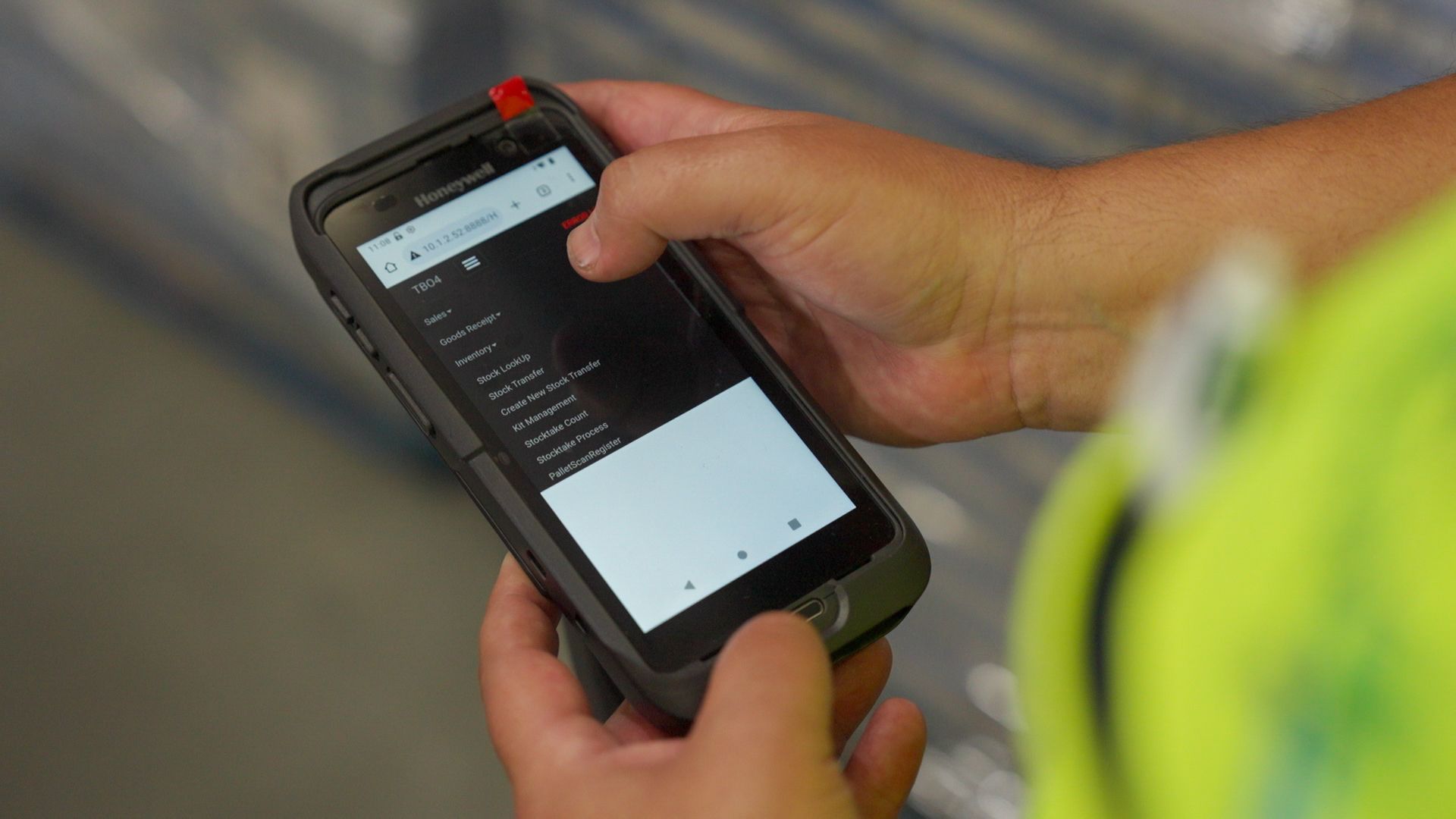
This is where the session gets interesting. Because TBO4 is built around barcode scanning and real-time ERP integration, most paper-based steps simply disappear. Customers will often want to try to keep the same steps.
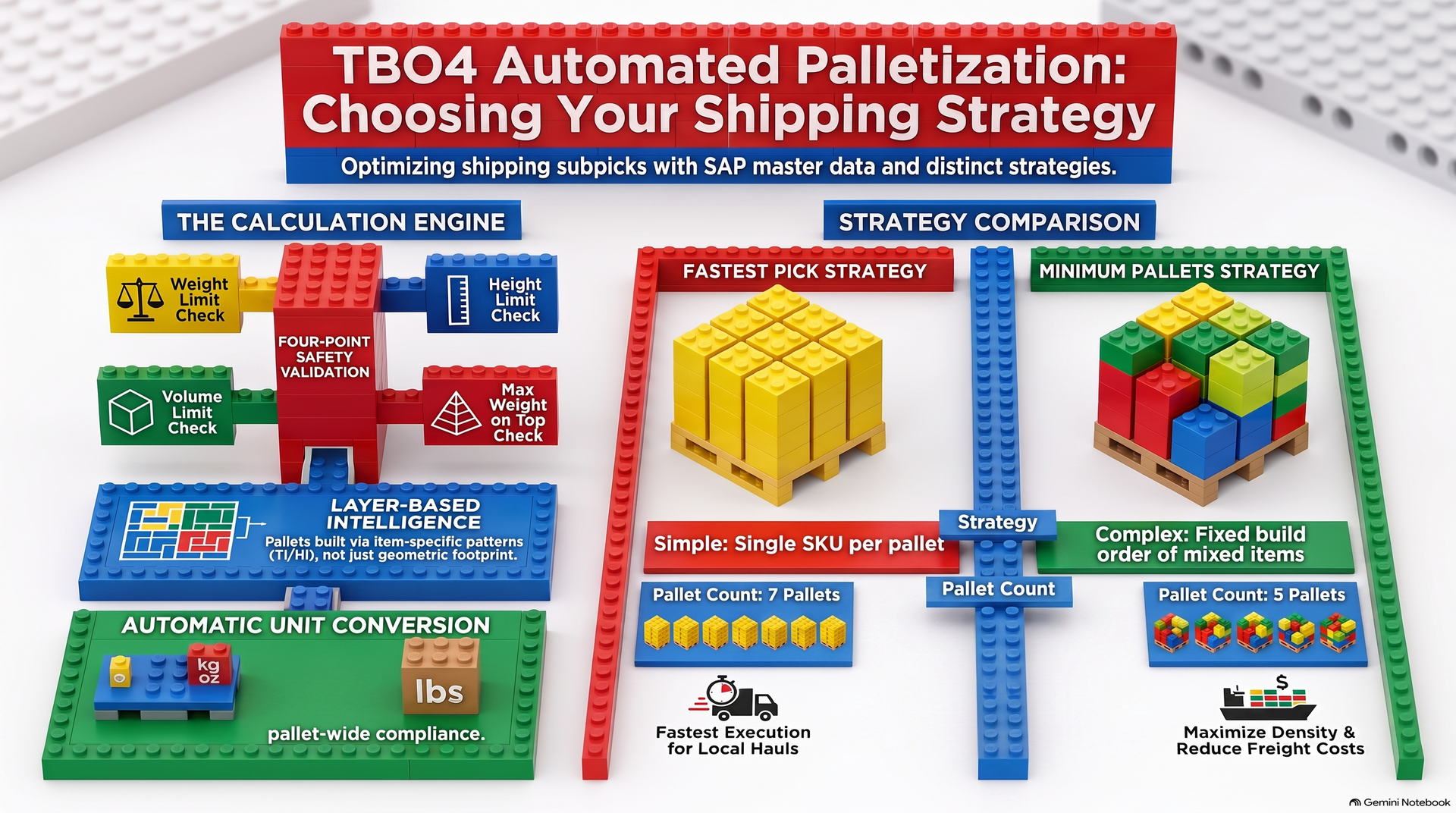
We talk through picking strategies: does your warehouse need simple single-order picking, or would wave or batch picking suit your volume better? We discuss putaway logic, FIFO or FEFO rules if you're dealing with batches and expiry dates, and how the Pick Pack Manager releases orders from your ERP into the warehouse floor.
3. Integration — the bit everyone worries about
Yes, we talk about your ERP. And yes, it's fine most likely we know quite a bit about your ERP.
TBO4 has been integrated with a wide range of ERP systems, so we've usually seen your setup before. We walk through how orders release from your ERP to TBO4, how completions post back, and what data needs to be in your system before go-live. There is base level data such as things like item barcodes, bin locations, supplier and customer records, and warehouse setup.
We also cover label printing (receiving labels, SSCC labels, freight labels), freight carrier integration if you're using TNT, Australia Post, Direct Freight or others, and whether your customers would benefit from access to the TBO4 Customer Portal — a web tool that gives them real-time visibility of their orders from pick through to proof of delivery.
4. Business rules and configuration
Every warehouse has quirks. Rules that aren't written down anywhere but that every long-term staff member knows. This is where we capture them.
- Do you have a quality check step on inbound goods?
- How do you handle over-receiving or under-receiving?
- Do certain products need special putaway locations?
- What picking priority rules apply?
- What does your delivery docket need to look like?
These become the configuration decisions that shape how TBO4 is set up for your site specifically.
5. KPIs and reporting
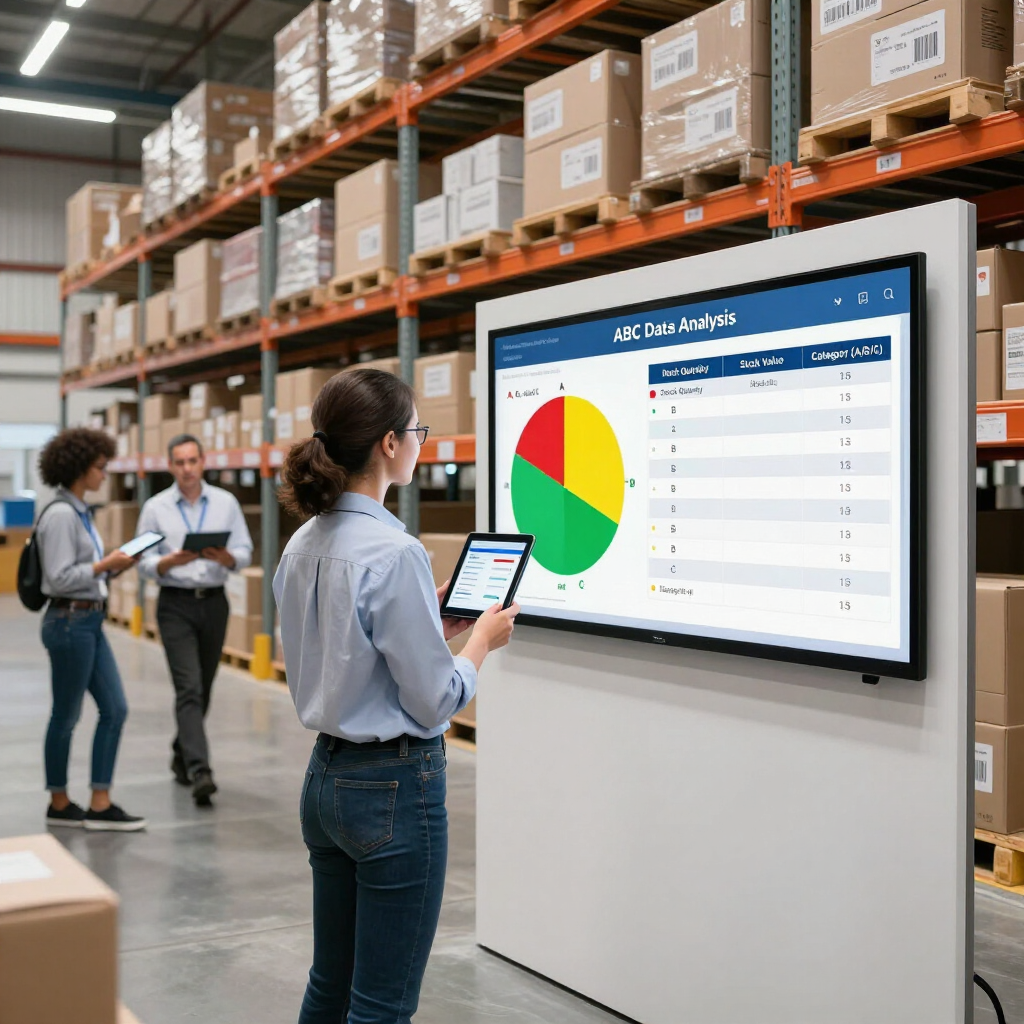
What do you actually want to know about your warehouse? Receiving accuracy, picking speed, order fulfilment rates, stock discrepancies? We map your reporting needs to TBO4's dashboards and built-in reporting so there are no surprises after go-live.
6. Gap analysis
Finally, and this is the honest part, we identify anything your operation needs that isn't covered by standard TBO4 out of the box. Sometimes it's a small customisation. Sometimes it's a process adjustment that actually makes more sense than the existing workaround. Either way, you know about it before the project starts, not after.
What comes out of it
By the end of the blueprinting session, you have something far more valuable than a software demo: a clear picture of what your TBO4 implementation will actually look like. What gets configured, what gets integrated, what hardware you need, and what the go-live process involves.
No surprises. No hidden complexity discovered three weeks in. Just a documented scope that both sides agree on, and a team that's already met your people and understands your warehouse.
The anxiety is usually about the unknown
Most of the hesitation we see around WMS implementation isn't really about the software. It's about the unknown and what will change, what could go wrong, how long the disruption will last.
The blueprinting session is specifically designed to replace that unknown with answers. By the time we leave, your team knows what's coming, and we know exactly what we're building. We give you timelines and we stick to them and ensure a successful outcome.
If you're at the stage of evaluating a WMS and want to understand what implementation would look like for your operation, reach out to The RIC Group. The first conversation costs you nothing and it might remove more anxiety than you expected.